.png)
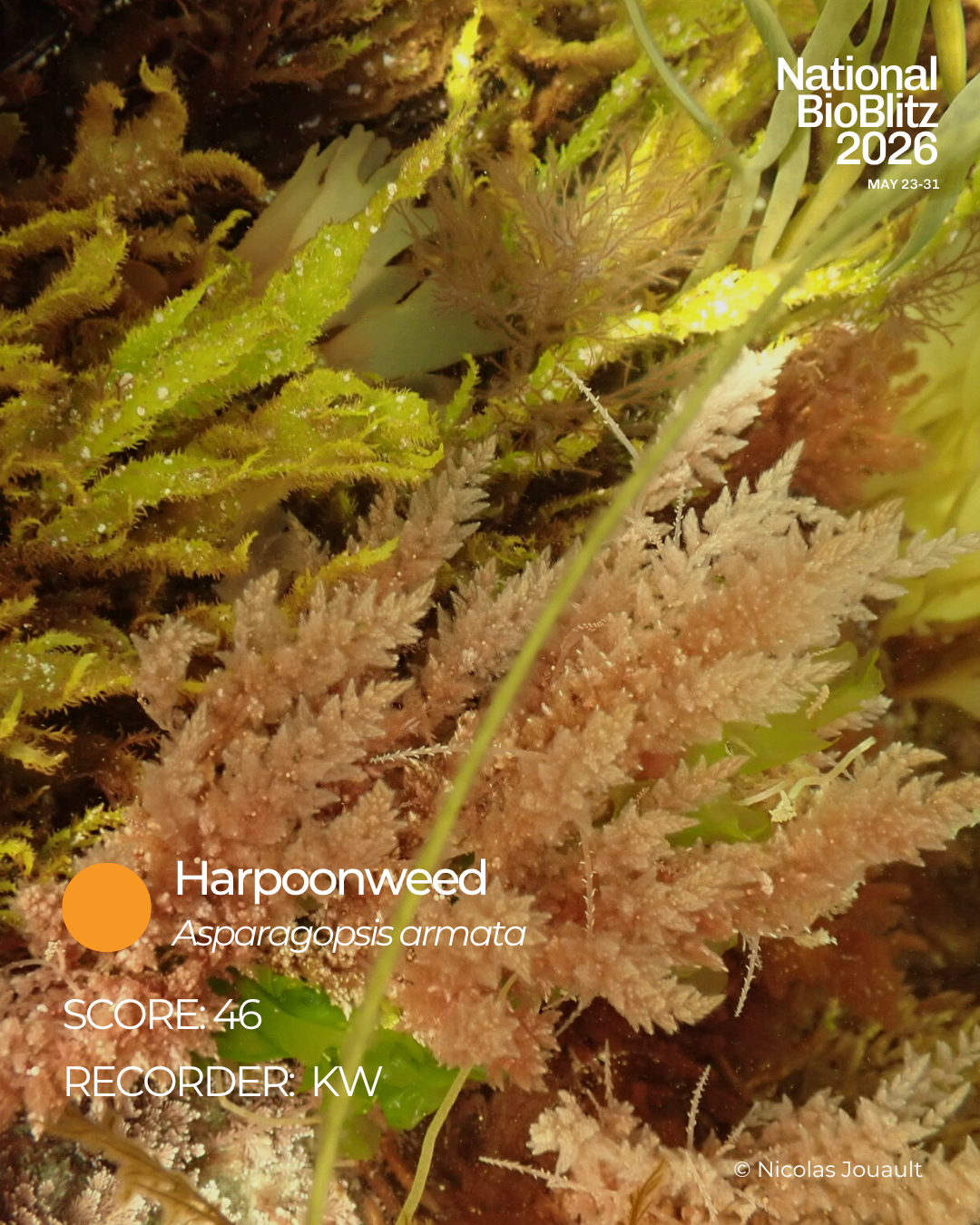
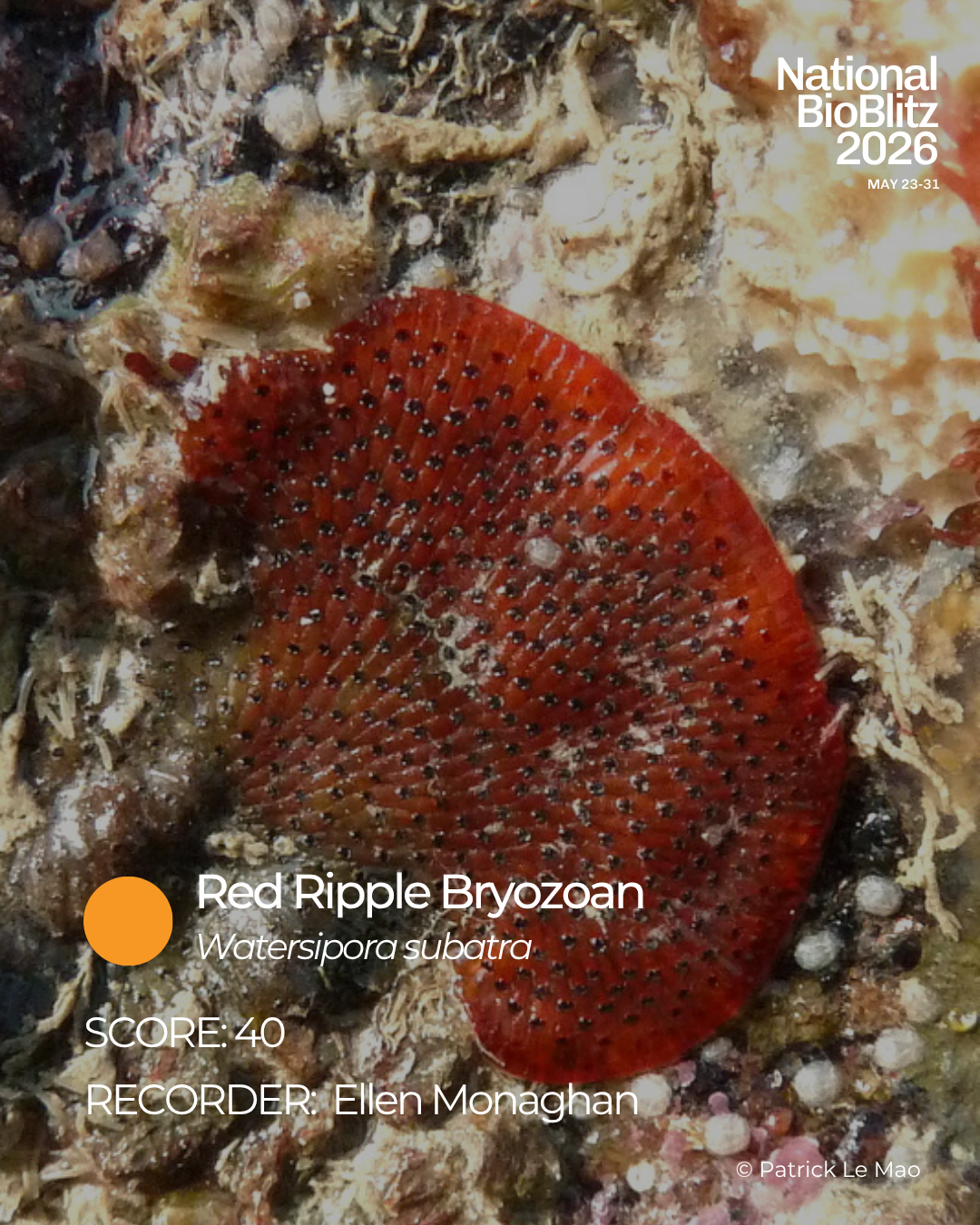
There were some amazing species recorded during the National BioBlitz. These were the highest scoring species, rated for rarity and spotted by rock poolers across the country...
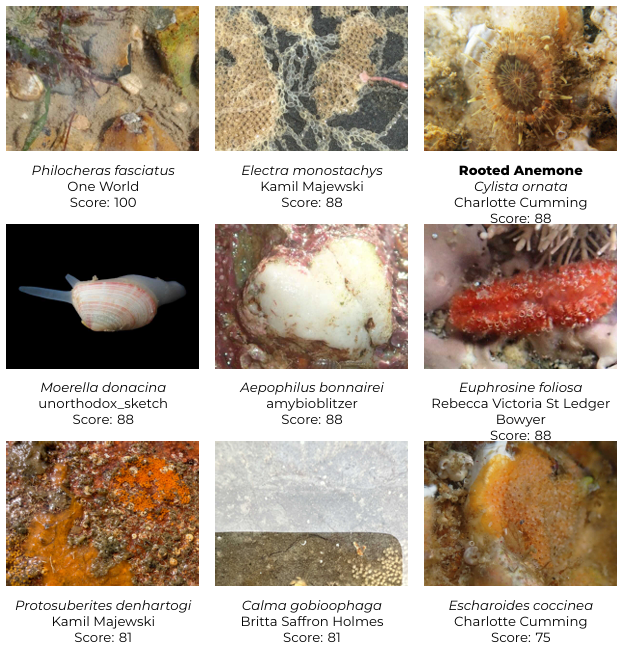
We asked everyone to keep their eyes peeled for non-native species to help us understand how they are spreading across UK waters. There were 225 observations! Here are some of the top scoring non-native finds:
.png)
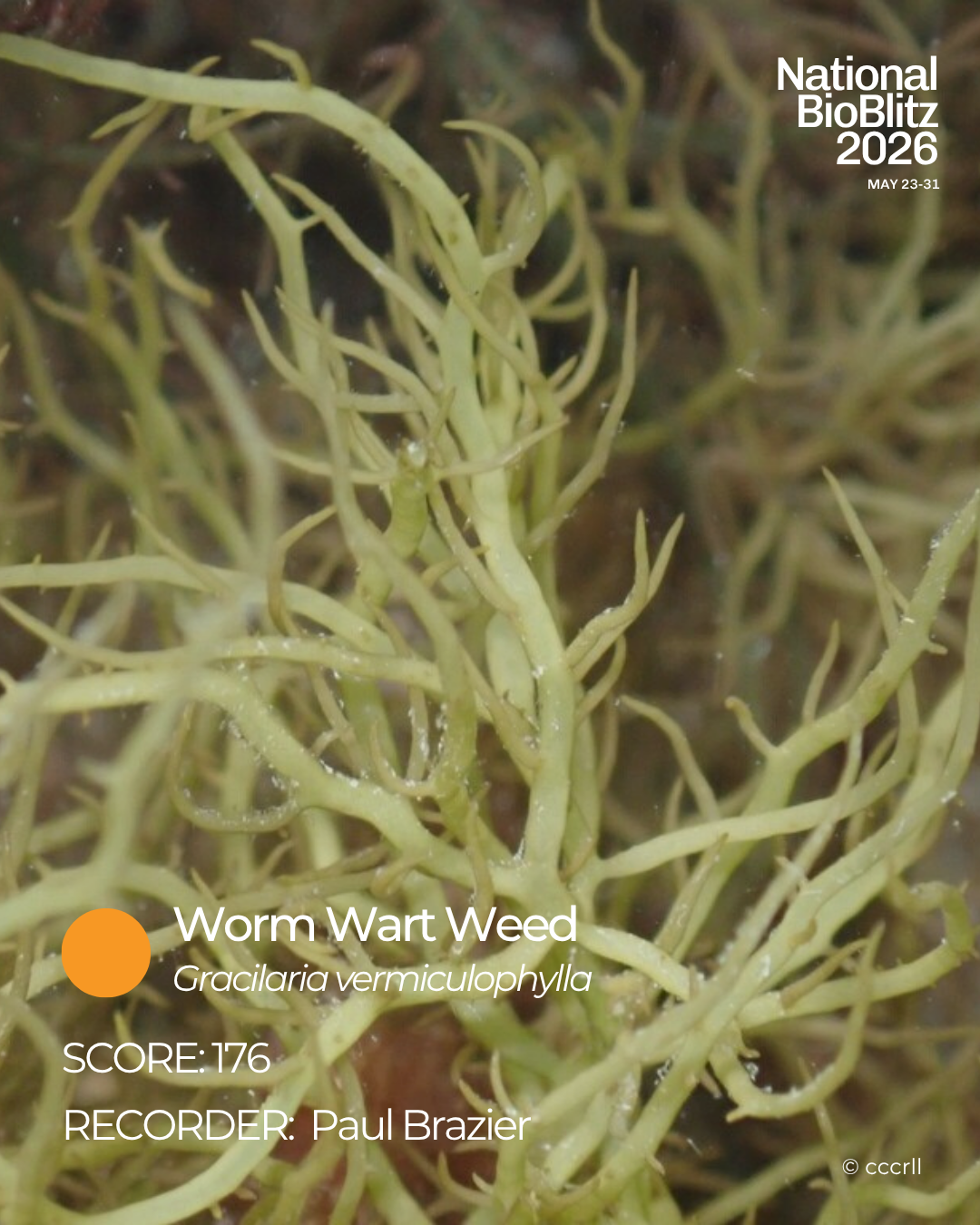

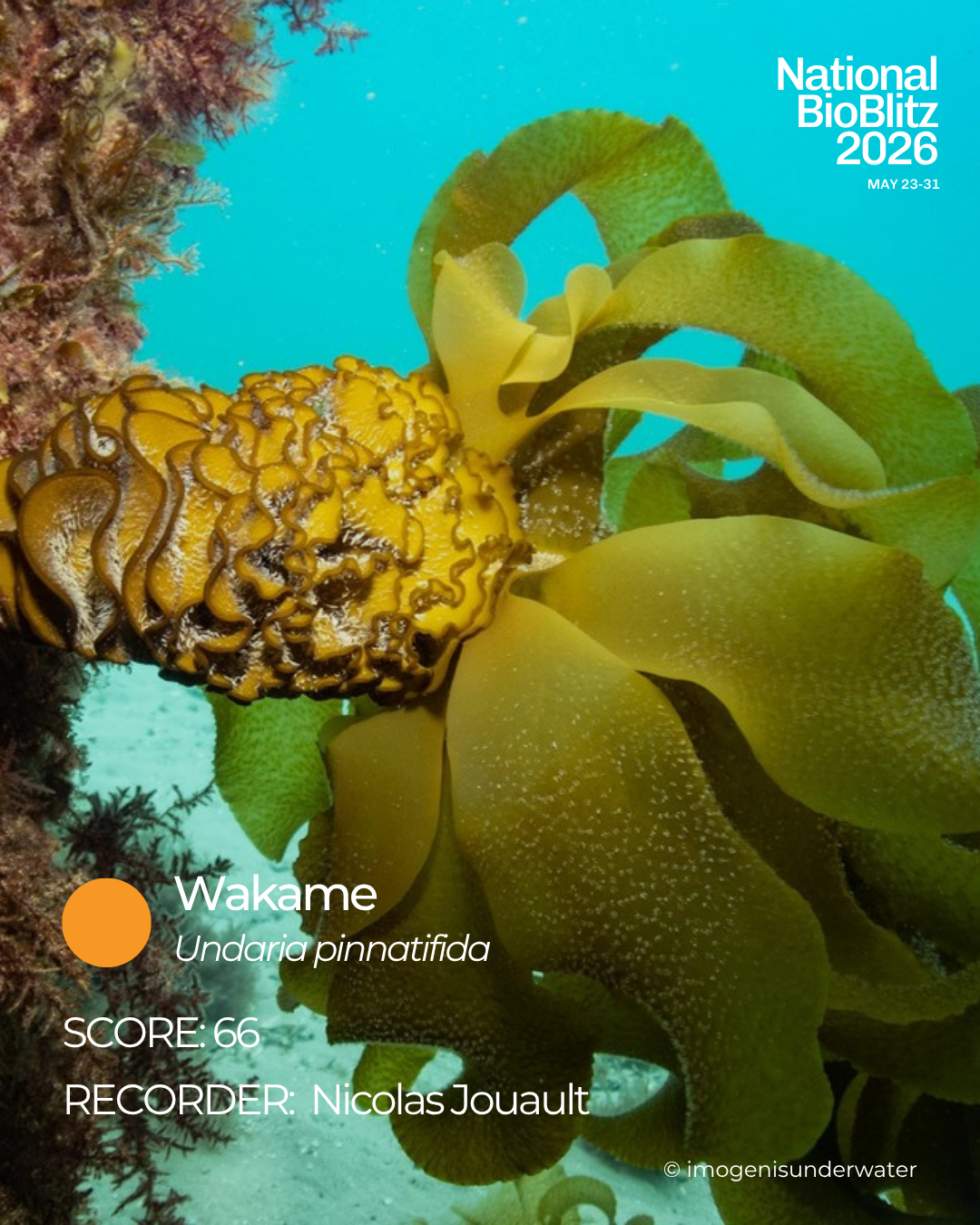
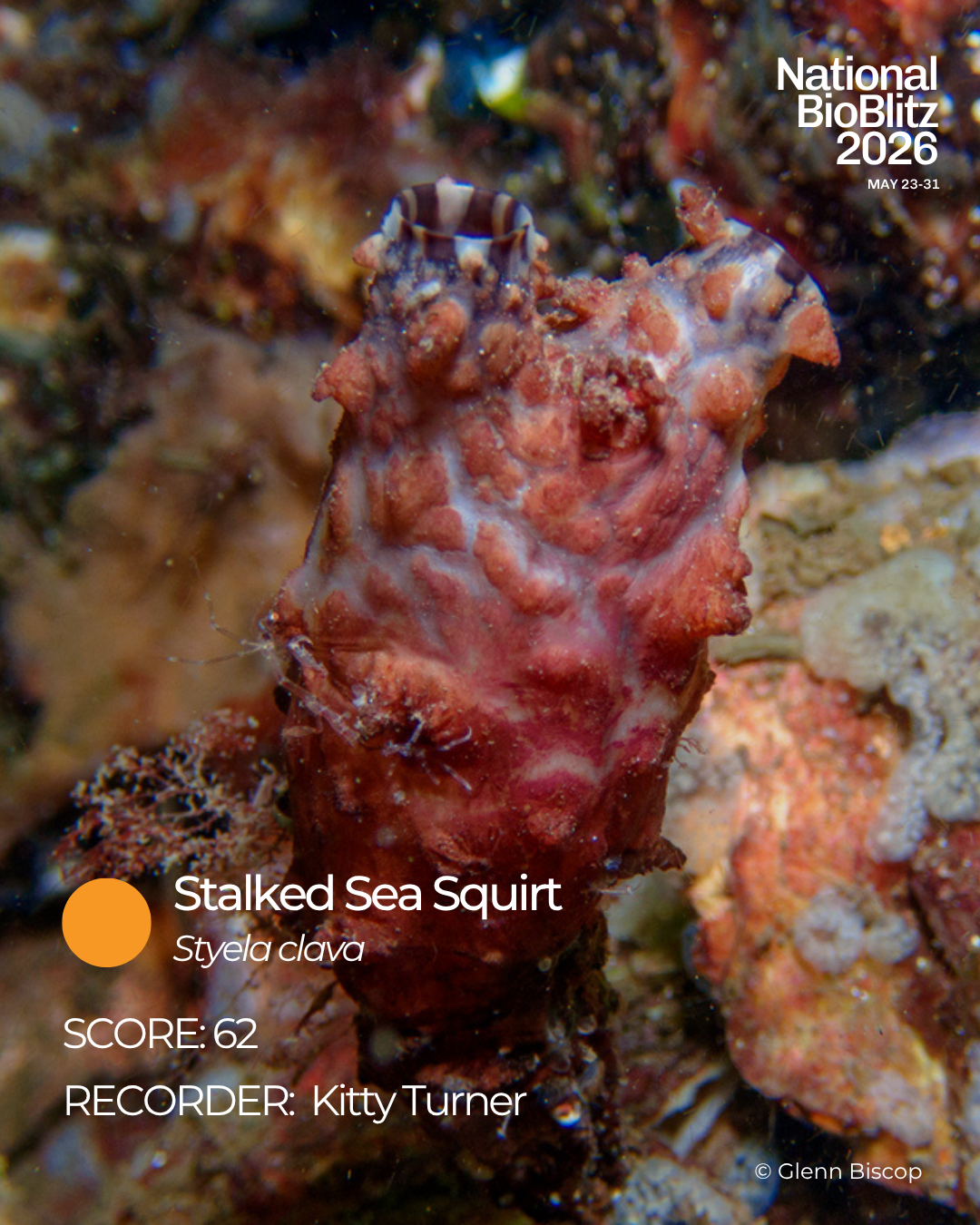
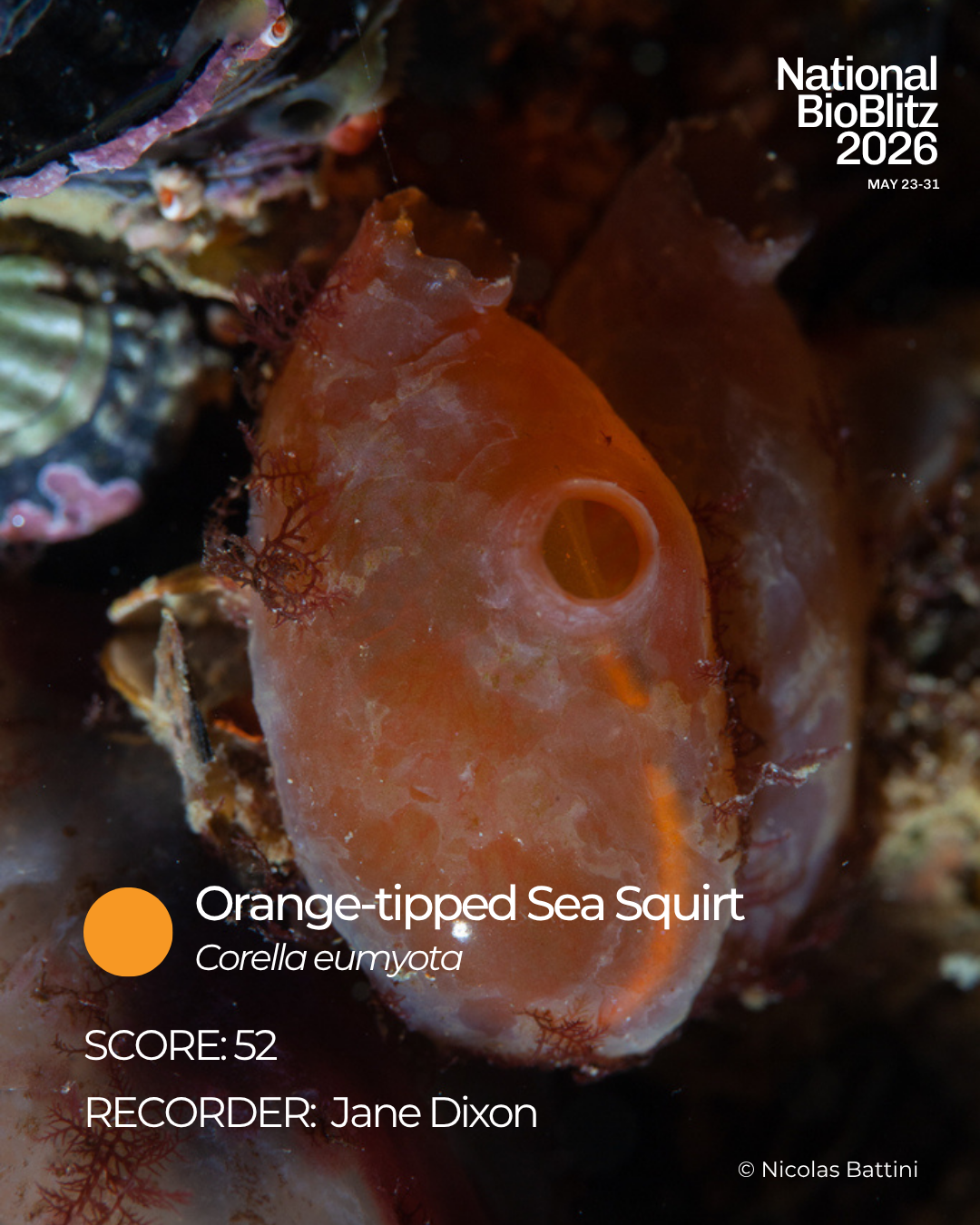
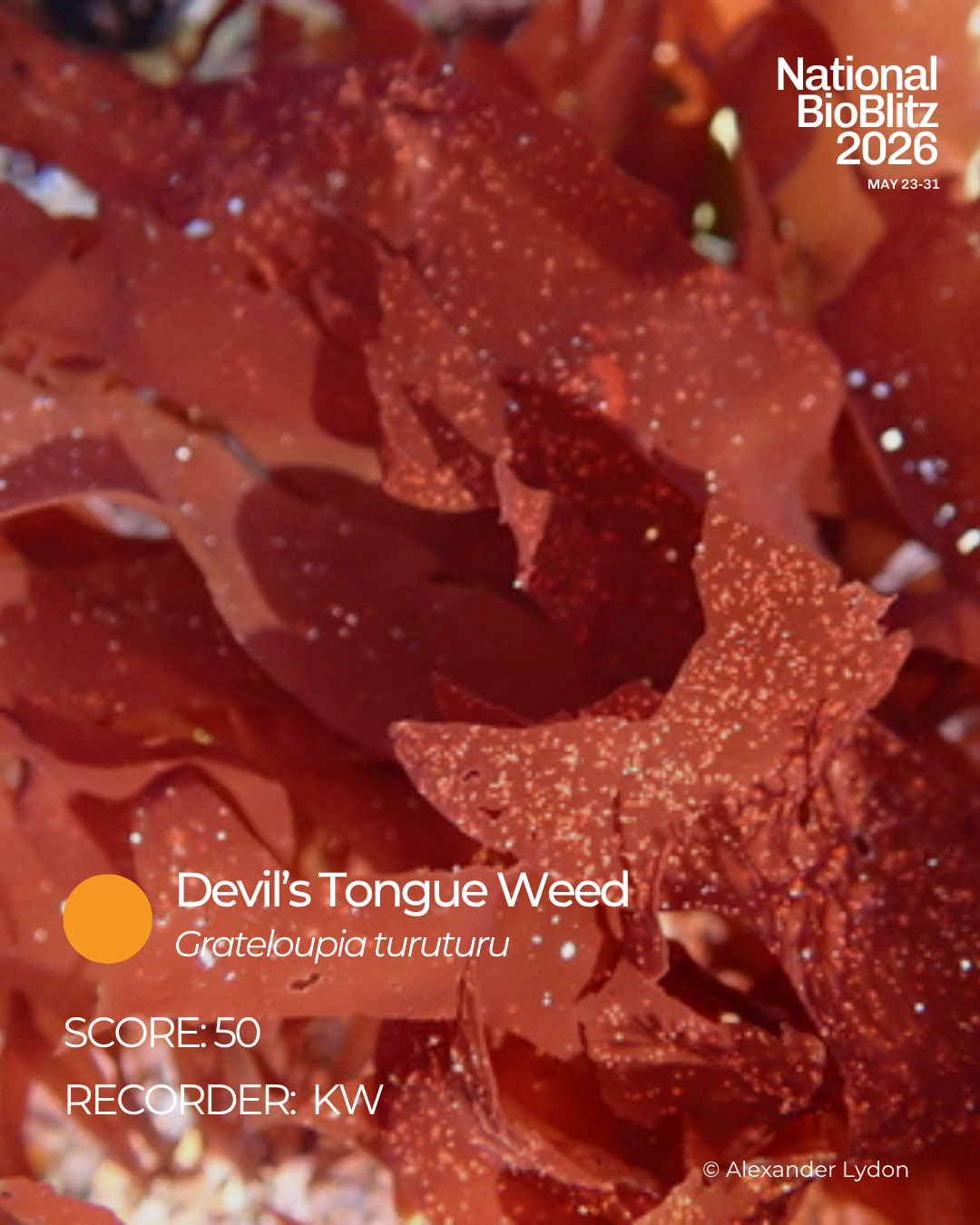
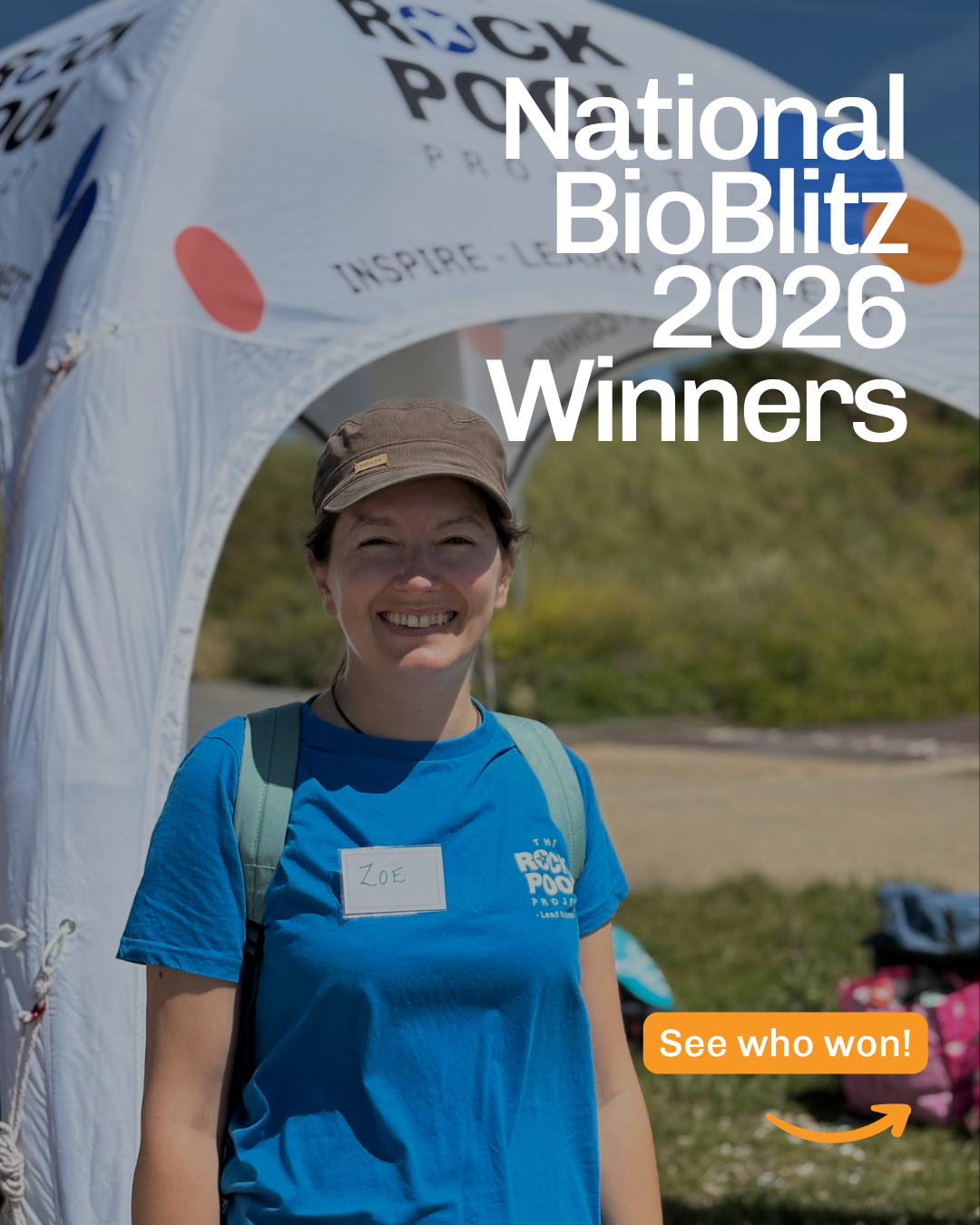
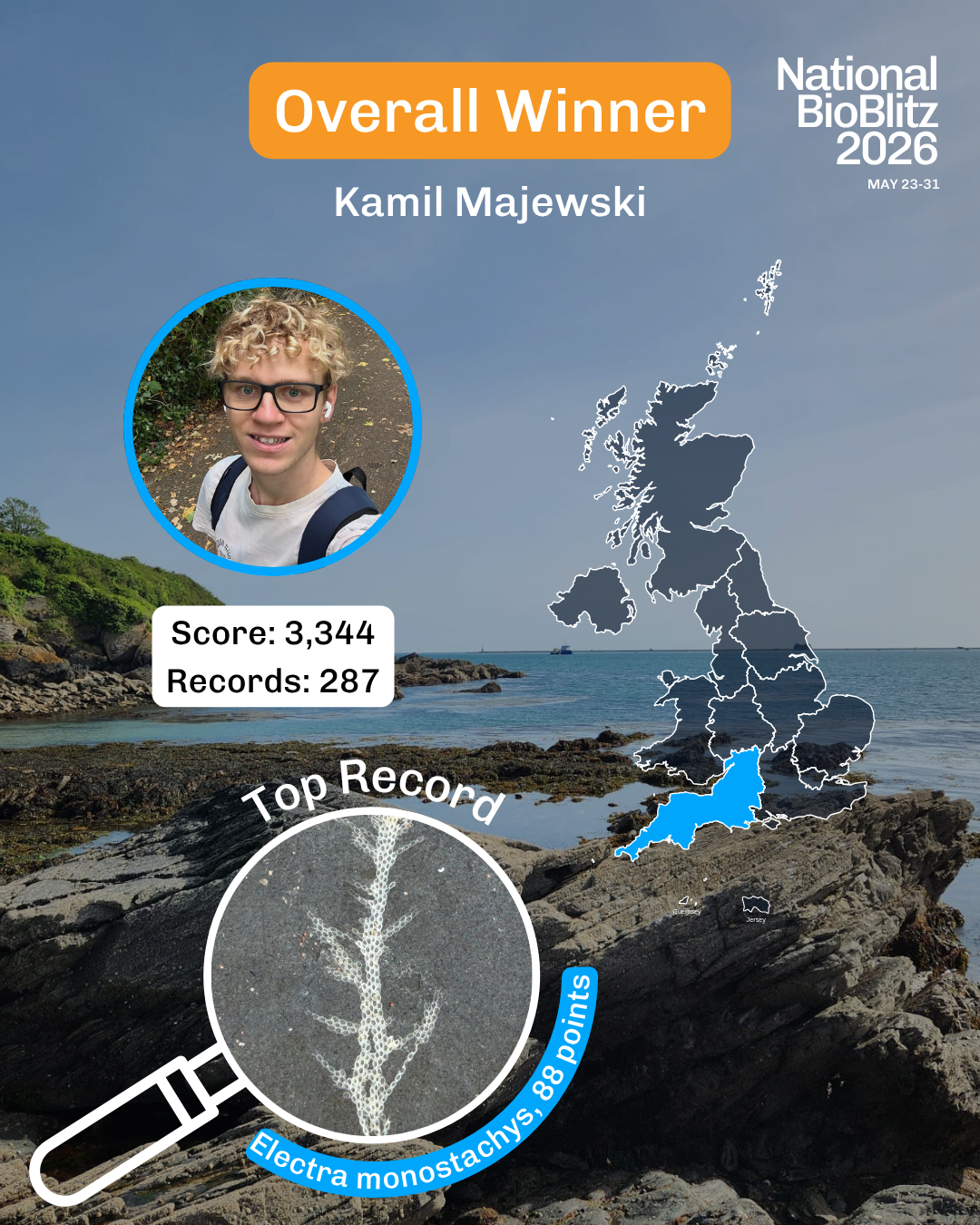
Congratulations to overall winner, Kamil Majewski, and the top scorers across all participating regions!
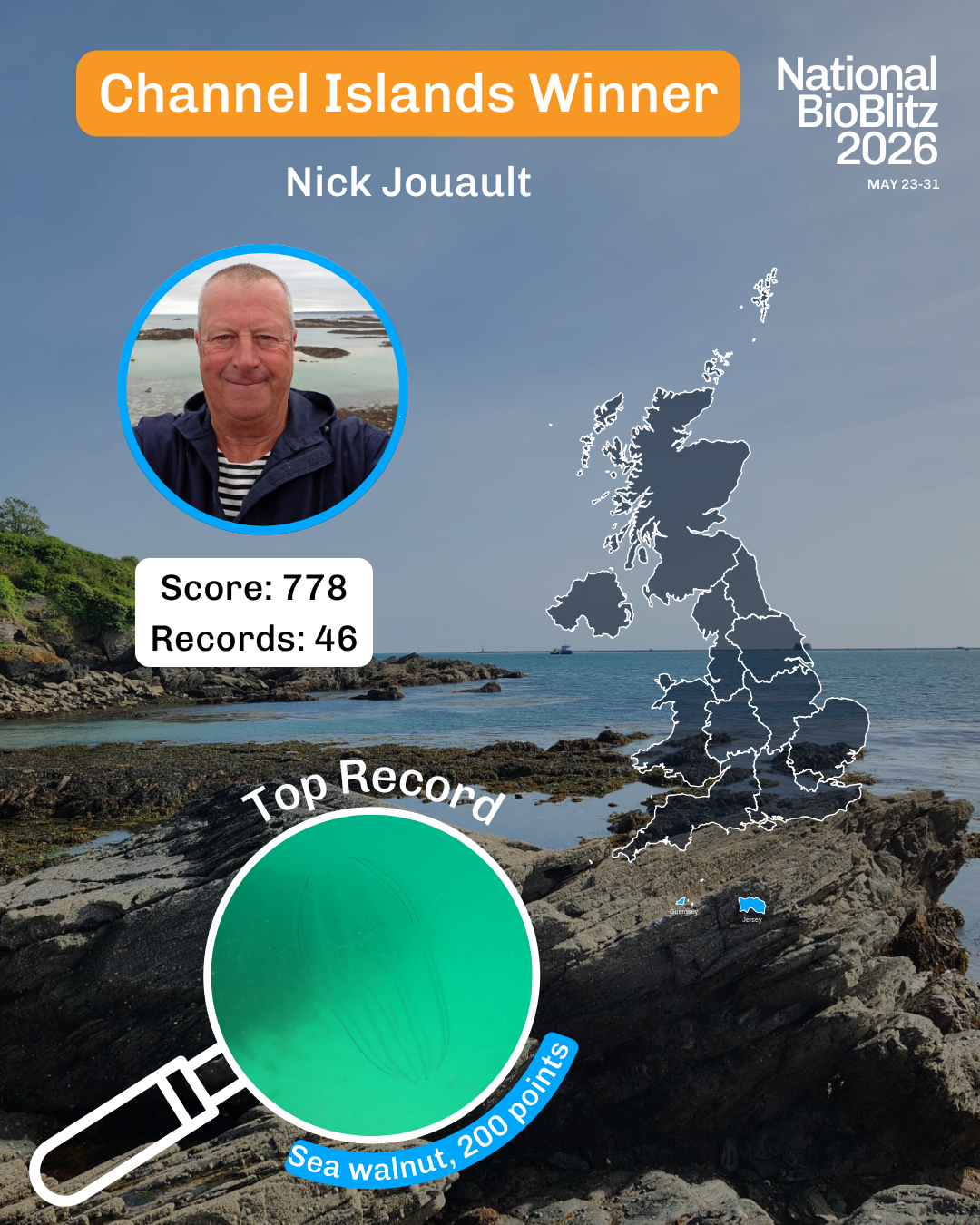
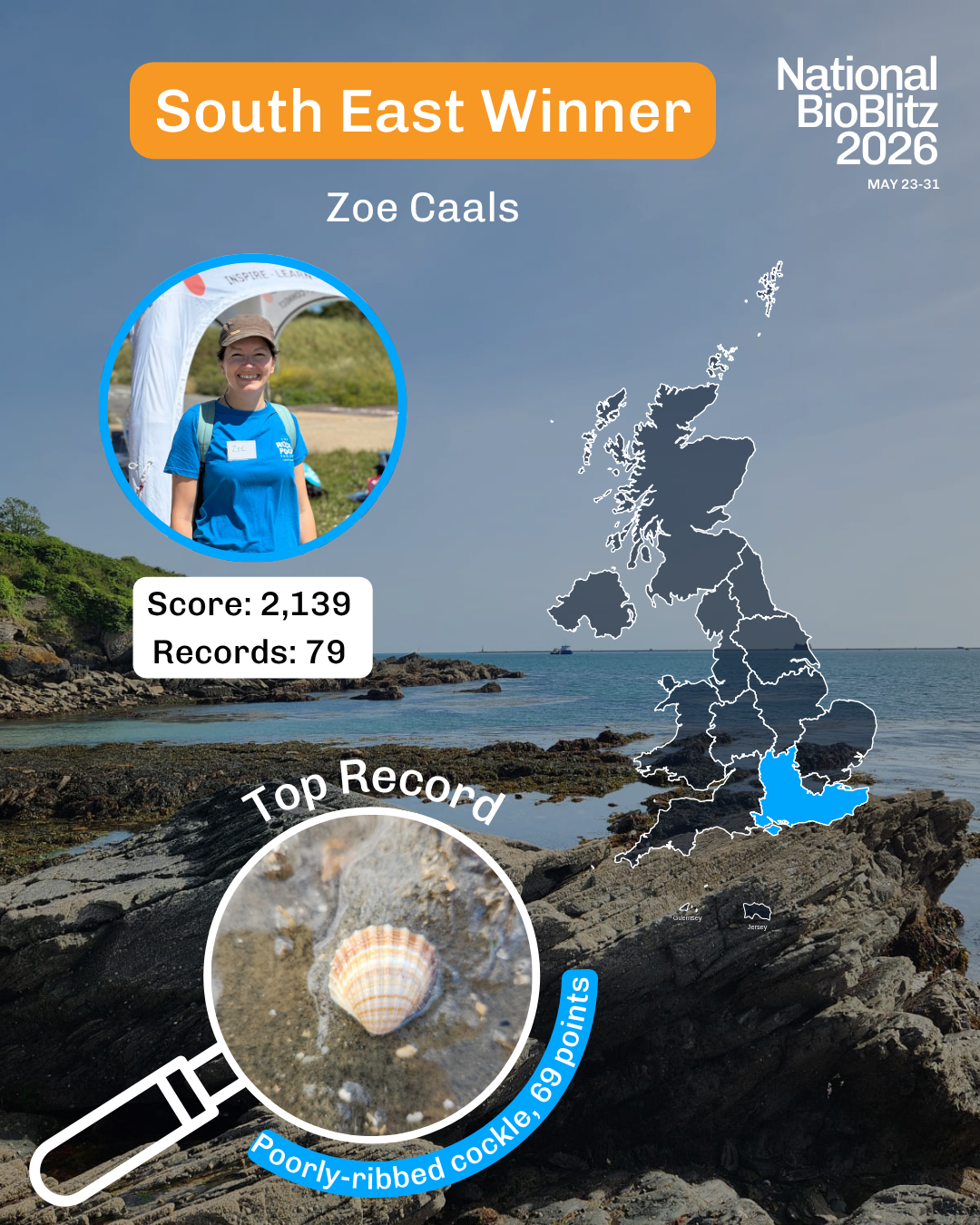
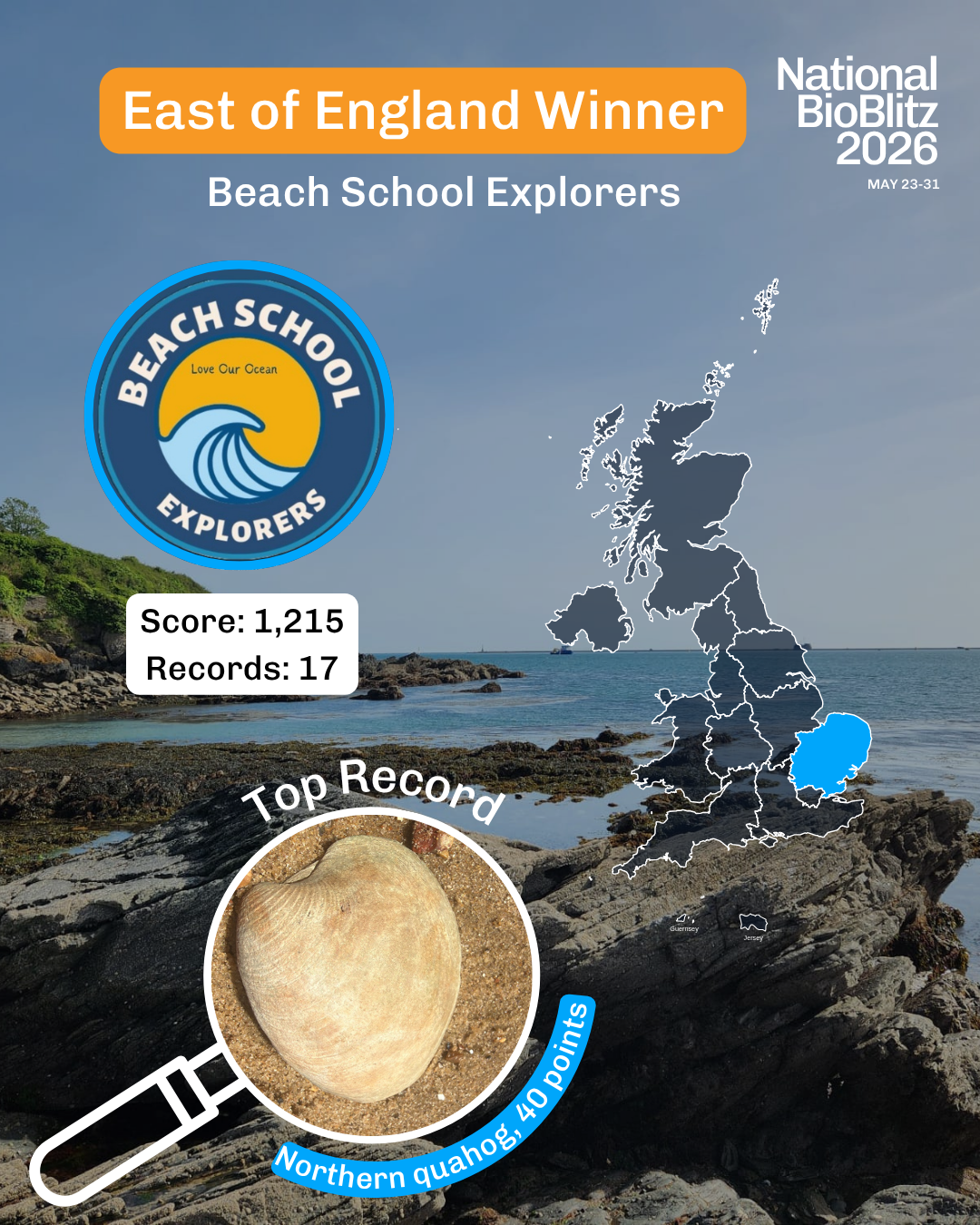
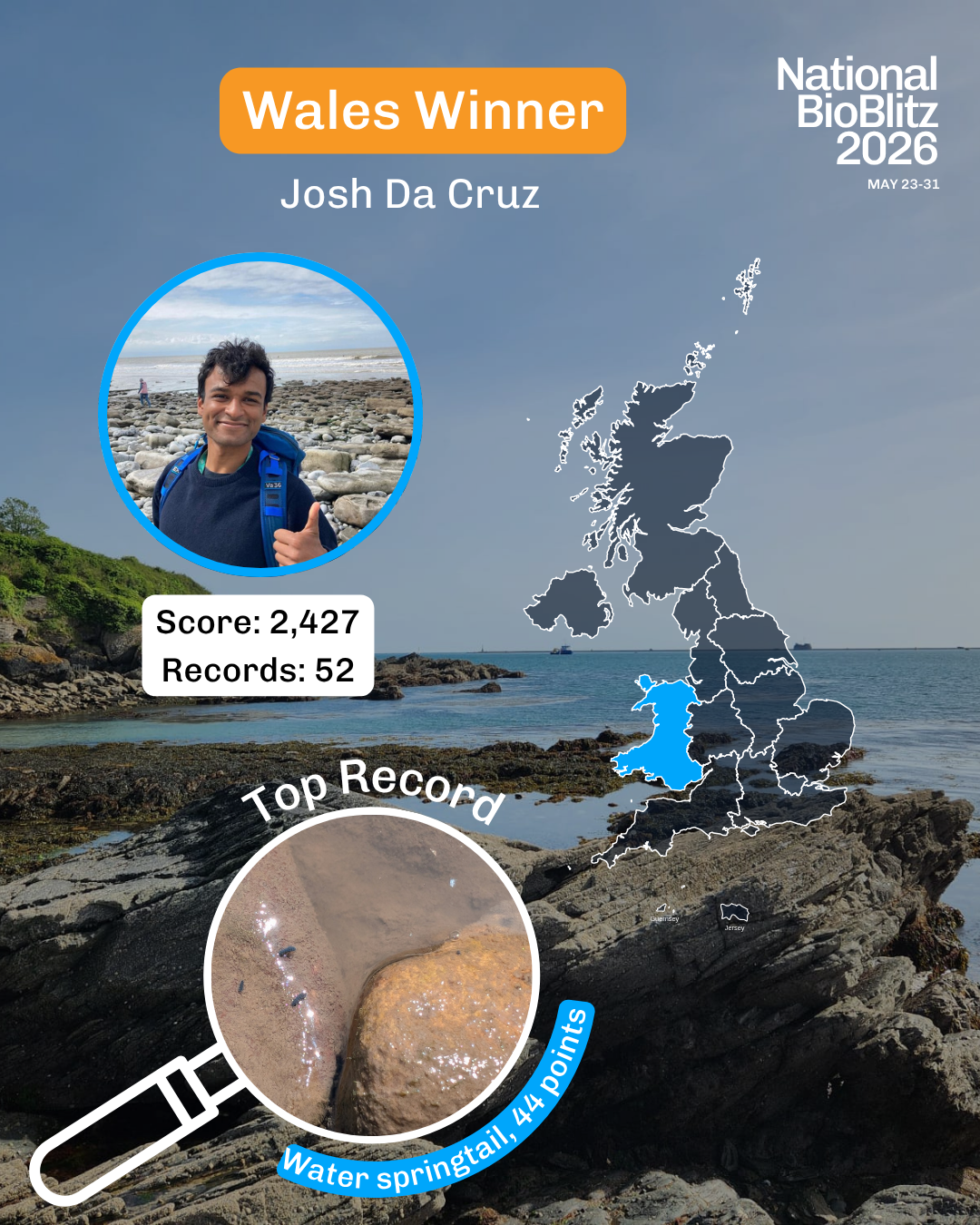
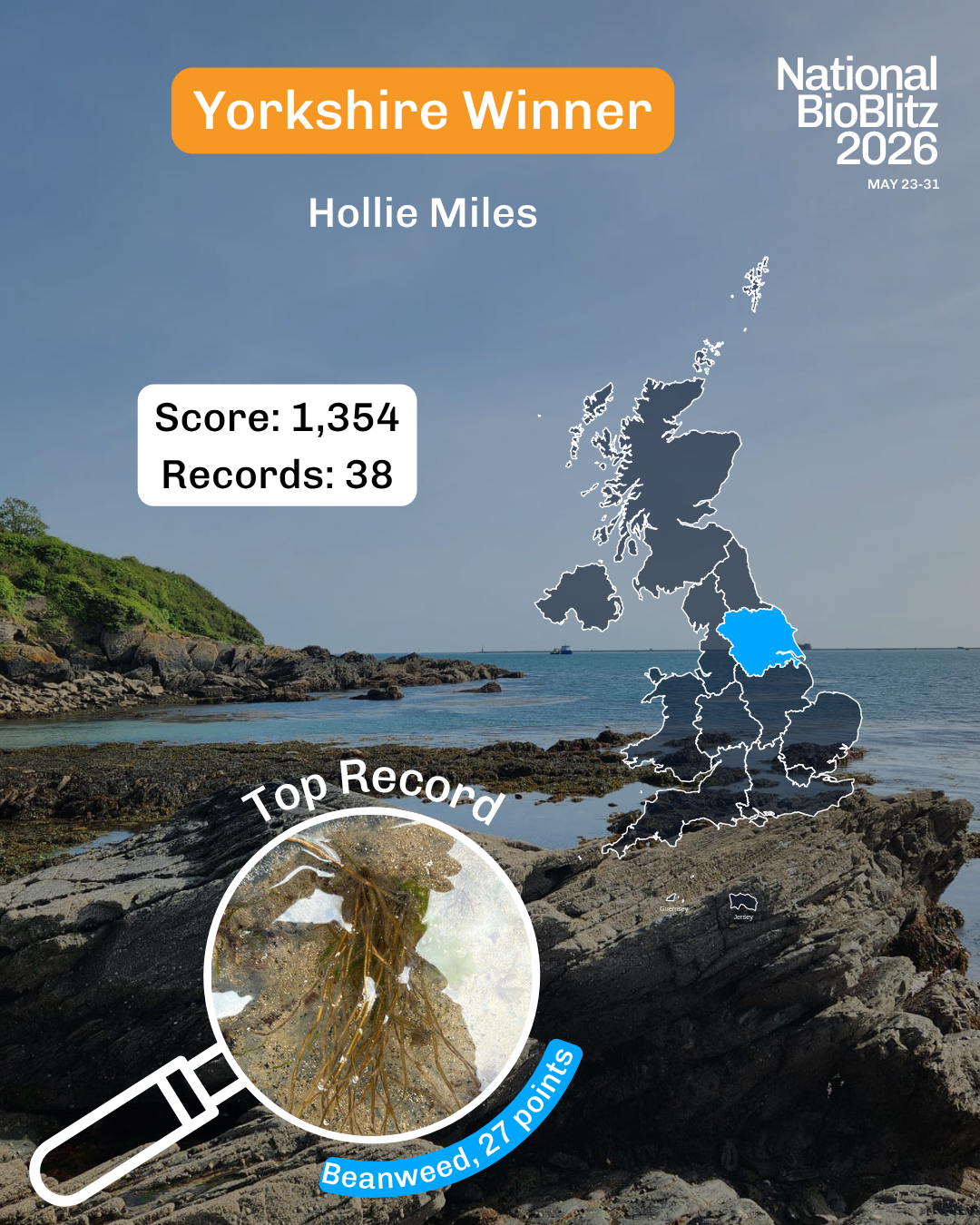
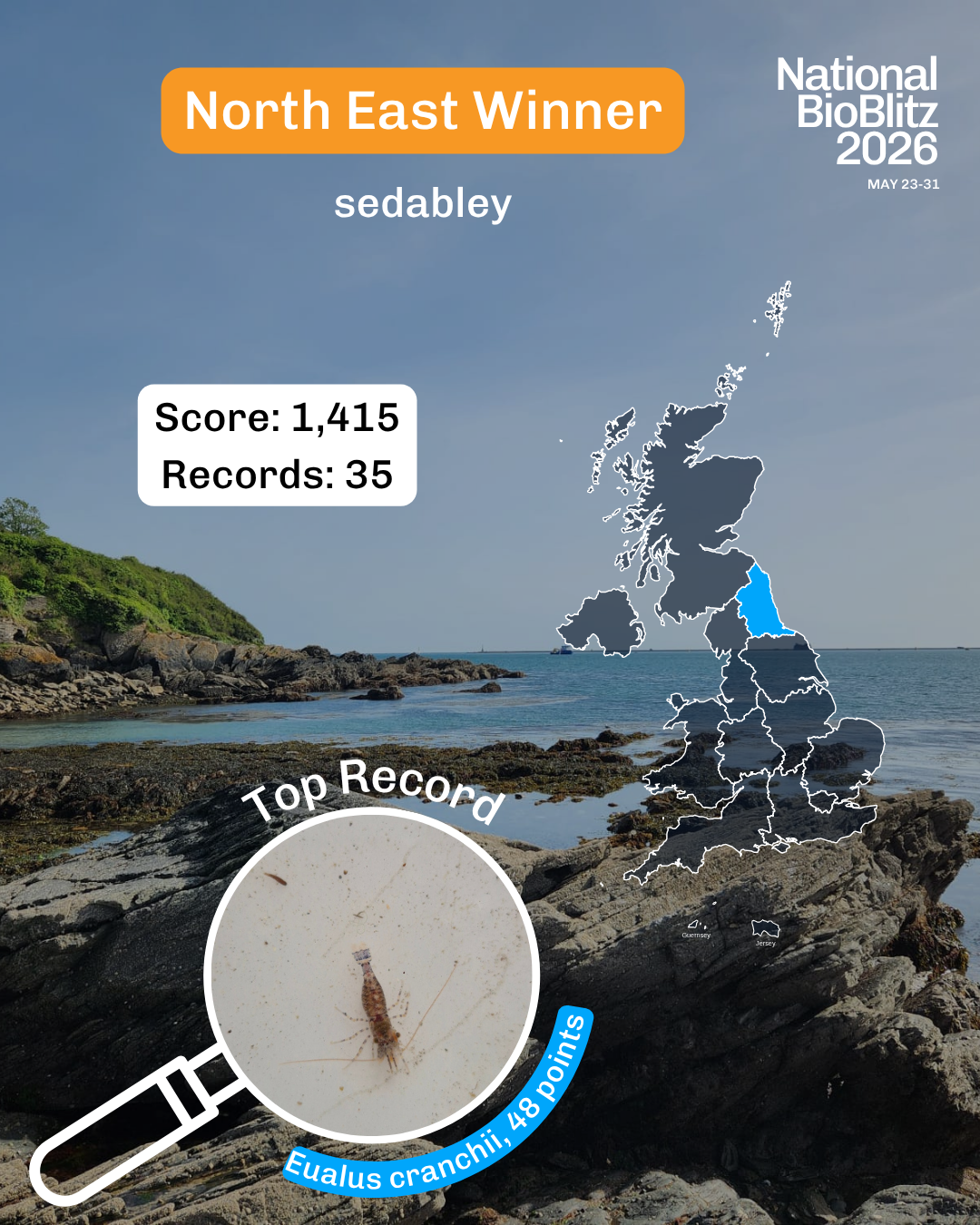
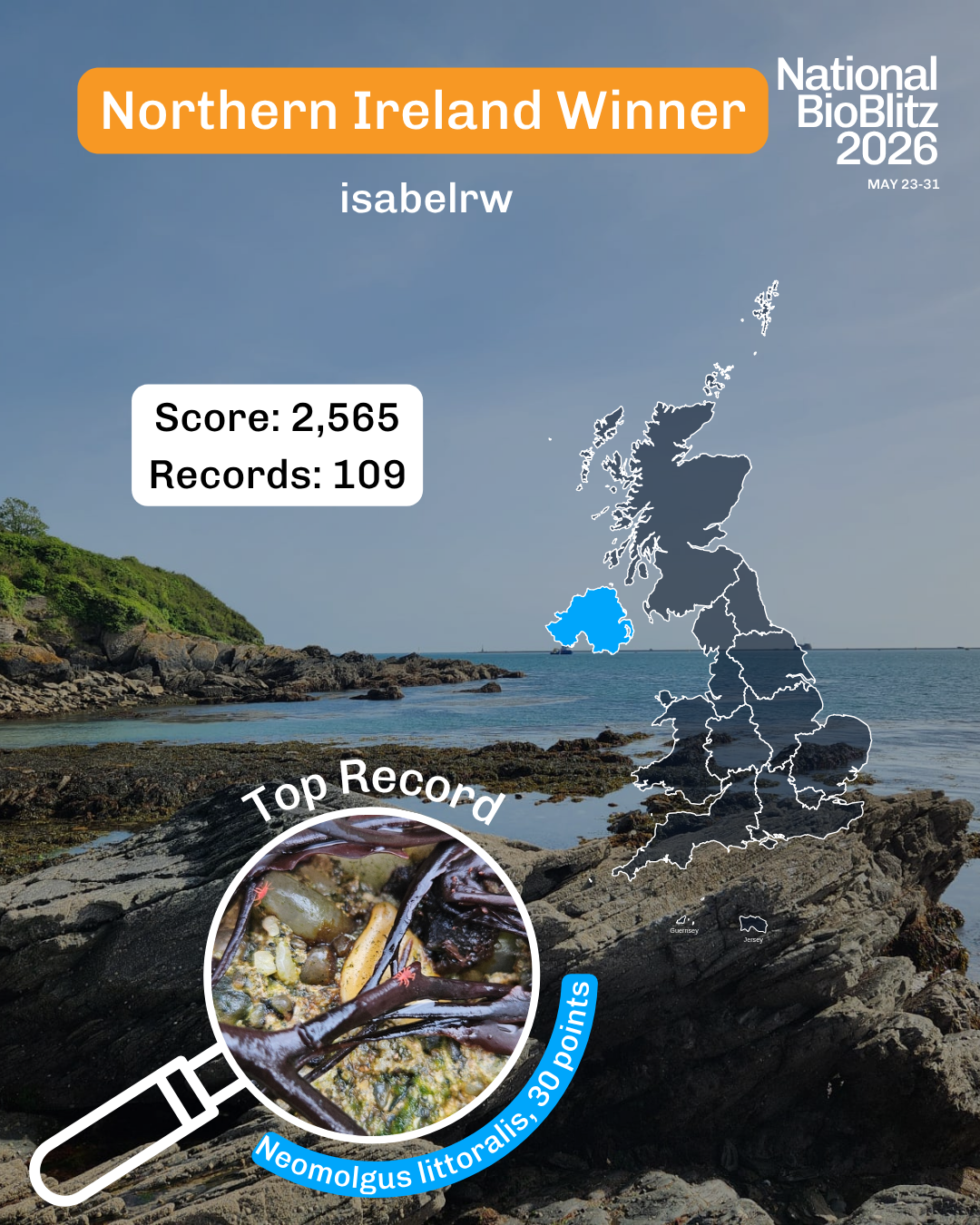
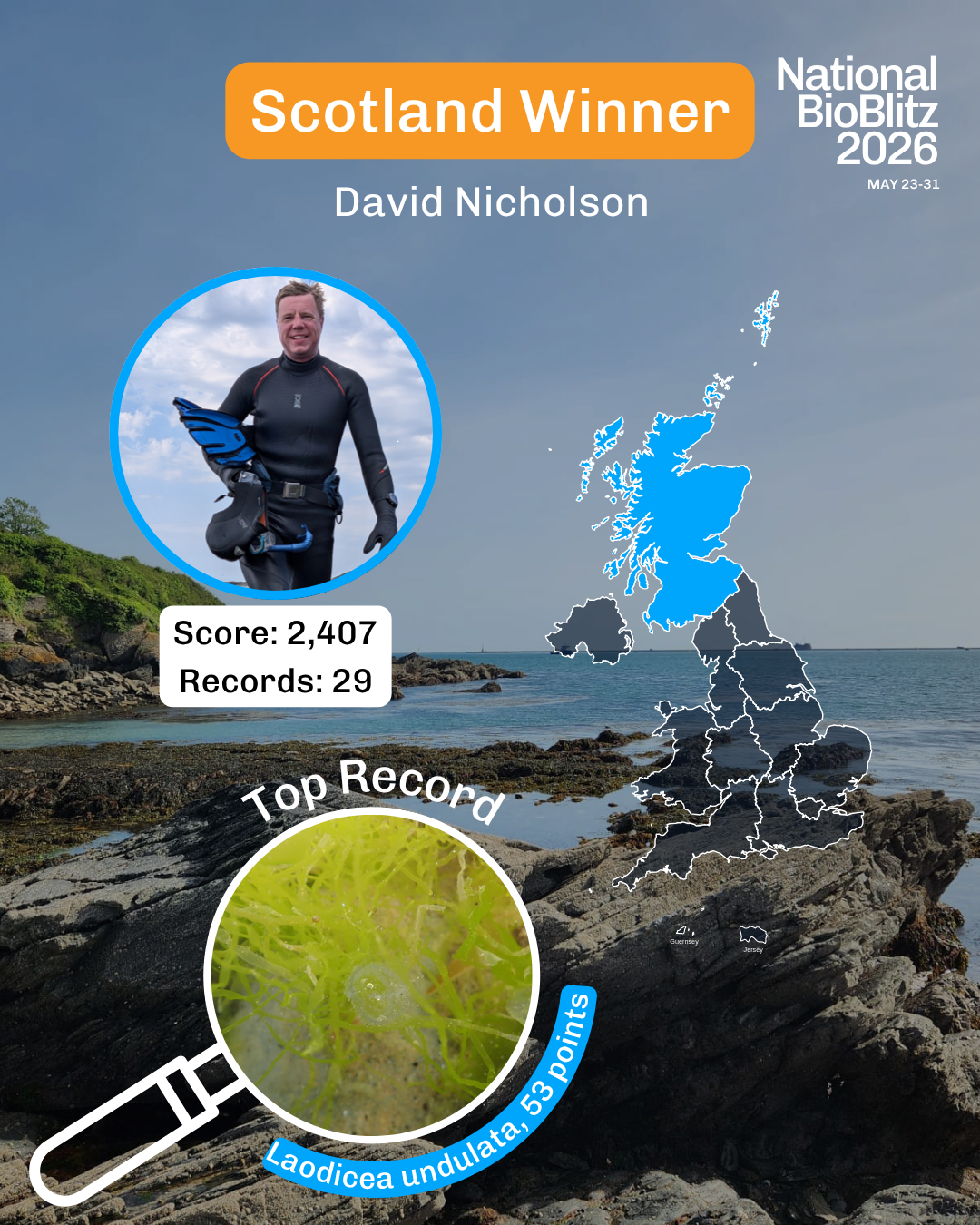
For this year's National BioBlitz, participants were given bonus points for recording species in new locations. This map shows where records were collected across the country, as well as how many additional points you could gain for surveying in a particular unexplored area.
Check out the leaderboard below to see the top scoring participants across all UK regions.
Only individual participants are shown in the league table or eligable to win prizes, however Team scores are shown in the final event report.
Please note, only Research Grade records are counted in the league table.
As part of the National BioBlitz, we ran online webinars hosted by experts.
- Using R to explore iNaturalist data: 19th May 2pm, 2nd June 2pm - hosted by Dr Ben Holt
- UK marine invasive non-native species: 21st May 7pm- hosted by Dr Ben Holt
- From UK Coastlines to Worldwide Invader: The European Green Crab: 28th May 6:30pm- hosted by Dr Laura Coles
Rock pooling responsibly: Please read our Rock Pooling Guide for advice on how to explore safely and minimise disturbance to wildlife (available here).
Staying safe: Participation in the National BioBlitz is at your own risk. Ensure you are familiar with your survey location and any potential hazards. Always check tide times and weather conditions before setting out, and avoid surveying alone.
Check out materials from National BioBlitz 2025.
Event Report 2025
Results and highlights from last year’s Big Rock Pool Challenge: National BioBlitz, where hundreds of participants explored and documented coastal wildlife.
Expert Webinar Series Recordings
Recordings from last year’s webinars where scientists shared insights on species identification, why monitoring matters, and how your observations make a difference.
The Big Rock Pool Challenge is proudly funded by The ScottishPower Foundation and The National Lottery Heritage Fund whose generous support enables us to inspire communities and deliver lasting environmental impact across and beyond the South West.
This initiative is delivered in partnership with The Rock Pool Project and the Marine Biological Association. Together, we’re empowering people and their communities to connect with nature, contribute to valuable biodiversity data, and support the health of our coastal ecosystems for future generations.